
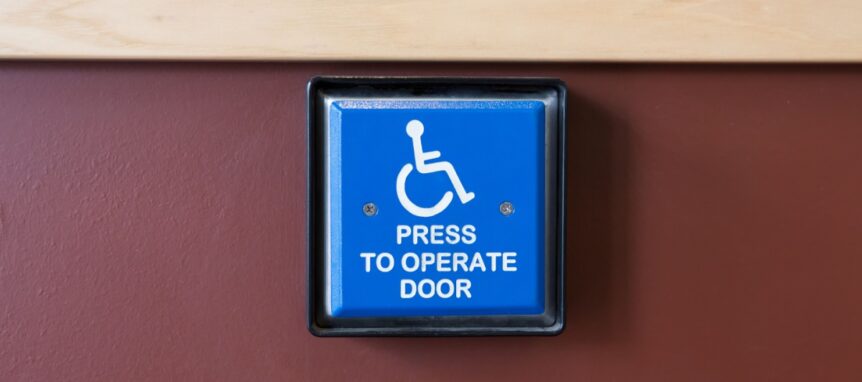
ADA compliance is a critical responsibility for commercial property owners and managers. Door systems play a major role in accessibility, and understanding ADA door requirements helps businesses avoid violations while providing safe and inclusive access for everyone.
What Makes a Door ADA Compliant
ADA-compliant doors are designed to be easily operable without excessive force or complicated motions. This includes proper door clearances, appropriate opening speeds, and the use of low-energy operators where required. Automatic doors and push-button systems are commonly used to meet these standards.
Low-Energy and Push-Button Door Systems
Low-energy automatic doors are frequently used to comply with ADA regulations. These systems operate at controlled speeds and are activated by push buttons or sensors. When installed correctly, they allow users to enter and exit independently while maintaining safety.
Importance of Proper Installation
ADA compliance depends not only on the type of door system used, but also on how it is installed. Improper placement of buttons, incorrect door clearances, or misconfigured operators can result in non-compliance. Professional installation ensures systems meet both federal guidelines and local building codes.
Ongoing Maintenance and Compliance
Door systems can fall out of compliance over time due to wear, adjustments, or building changes. Routine inspections and maintenance help ensure doors continue to operate correctly and safely. Addressing issues early helps businesses avoid accessibility complaints and costly retrofits.
Understanding ADA door requirements is essential for maintaining compliant commercial spaces. With the right systems and experienced service support, businesses in Naples, Fort Myers, and Southwest Florida can meet accessibility standards with confidence.